
🎧 Listen to:
What Is Loss of Consortium in Personal Injury Cases?
Loss of consortium is a legal claim that allows your spouse to seek compensation when a serious injury changes your relationship. This article explains how it works in California, what qualifies, how to prove it, and why so many families miss out on it.
What Loss of Consortium Actually Means
Most people who get hurt in an accident focus on the obvious stuff. Medical bills, lost wages, pain. That all makes sense. But there’s a part of these cases that almost never gets talked about, and it affects the people closest to you. Your spouse. Your kids. The people who have to watch you struggle and deal with the fallout right alongside you.
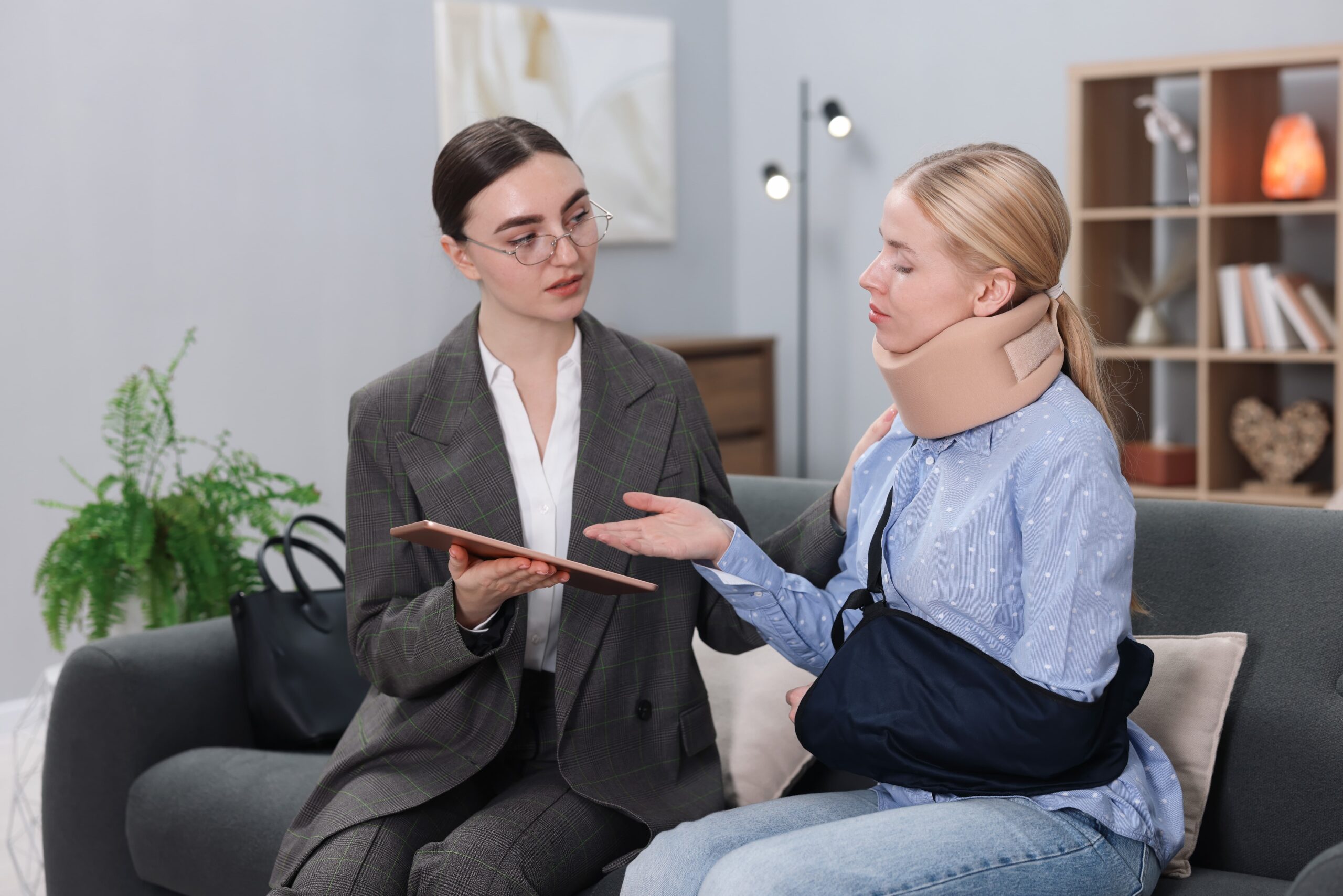
That’s where loss of consortium comes in. It’s a legal claim, but at its core, it’s really about something very human. When someone gets seriously injured, the relationships around them change. Sometimes in ways that are hard to put into words.
Loss of consortium is basically a claim that says your injury didn’t just happen to you. It happened to your family too. In California, it gives your spouse the right to seek compensation for what the injury took from the relationship. We’re talking about companionship, affection, intimacy, emotional support. The things that make a marriage a marriage. When a serious injury disrupts all of that, the law recognizes that your spouse has suffered a real loss, even though they weren’t the one in the accident.
And it’s not just about romantic relationships, either. The claim can cover the loss of a parent’s ability to be present for their children. If you used to coach your kid’s soccer team and now you can’t get out of bed without help, that changes the family dynamic in a way that matters. Courts understand that.
Who Can File and What California Requires
Here’s what trips people up though. Loss of consortium isn’t your claim. It belongs to your spouse. They’re the one who files it, and it runs alongside your personal injury case but as a separate cause of action. A lot of families don’t even know this exists until an attorney brings it up, which means plenty of people leave this on the table without realizing it.
So what does California actually require for this kind of claim? You need a valid marriage or domestic partnership at the time of the injury. The injury has to be serious enough that it meaningfully changed the relationship. And your spouse has to show that the loss is real and ongoing, not just a rough week after the accident. We’re talking about long-term changes. Maybe you can’t be physically intimate anymore because of chronic pain. Maybe the emotional toll of your injury has put a wall between you and your partner. Maybe you went from being an equal partner in the household to someone who needs constant care, and that shift has fundamentally altered how your marriage functions day to day.
Proving Loss of Consortium
The tricky part is proving it. Loss of consortium is what lawyers call a non-economic damage. There’s no receipt for it. You can’t hand a judge a bill that says “loss of companionship, three thousand dollars.” It’s subjective, and that makes it harder to quantify. But harder doesn’t mean impossible.
Evidence that supports a consortium claim usually includes testimony from both spouses about what the relationship looked like before the injury and what it looks like now. Friends and family members who’ve witnessed the changes can back that up. Mental health records help if either spouse has been in counseling. Medical records that document the severity of the injury and any long-term limitations are important too, because they connect the dots between the physical damage and the relationship impact.

Damages and Insurance Pushback
One thing people wonder about is whether there’s a cap on what you can recover. In California, there’s no specific cap on loss of consortium damages in most personal injury cases. It falls under non-economic damages, and unlike some states that put a ceiling on those numbers, California generally lets the jury decide what’s fair based on the evidence. Medical malpractice cases are a different story with their own caps, but for car accidents and most injury claims, the jury has discretion.
Something worth knowing is that insurance companies don’t love consortium claims. They’ll push back on them because the damages are subjective and harder to pin down with exact numbers. That’s actually more reason to take them seriously, not less. If the insurance company is trying to dismiss it, there’s probably real value there that they’d rather not pay.
Why This Claim Matters for Families
It’s also worth pointing out that loss of consortium isn’t just a tack-on to make the case bigger. For a lot of families, it’s the most honest part of the whole claim. Medical bills are just numbers. Lost wages are just math. But the way an injury changes a marriage, changes a family, changes the person your spouse gets to come home to every day. That’s the part that actually keeps people up at night. The legal system created this claim because those losses are real even if they don’t come with a price tag printed on them.
If your spouse was seriously injured in an accident and your life together has changed because of it, this is something you should be asking about. Not every case will support a consortium claim. The injury needs to be significant, and the impact on the relationship needs to be demonstrable. But if those boxes check out, walking away from it means leaving legitimate compensation behind. And the insurance company isn’t going to remind you it exists.
The bottom line is pretty straightforward. Serious injuries don’t just hurt the person on the hospital bed. They ripple outward into families, marriages, and daily life in ways that deserve to be acknowledged. Loss of consortium is how California law does that. It’s not talked about enough, and too many families miss out because they simply didn’t know it was an option.
Your Family’s Losses Deserve to Be Recognized
If a serious injury has changed your marriage and family life, Pyramid Legal can help you understand whether a loss of consortium claim applies to your case. Our personal injury team fights for the full picture, not just the medical bills.
Frequently Asked Questions
Loss of consortium is a legal claim filed by the spouse of an injured person. It seeks compensation for the ways a serious injury has affected the marital relationship, including loss of companionship, affection, intimacy, emotional support, and the ability to participate in family life together.
In California, a loss of consortium claim can be filed by the spouse or registered domestic partner of the injured person. The claim is separate from the injured person's personal injury case and requires that a valid marriage or domestic partnership existed at the time of the injury. The impact on the relationship must be significant and demonstrable.
For most personal injury cases in California, including car accidents, there is no specific cap on loss of consortium damages. These fall under non-economic damages, and the jury has discretion to determine a fair amount based on the evidence presented. Medical malpractice cases have separate caps, but standard injury claims do not.