🎧 Listen to:
When Property Owners Are Liable for Your Injuries: Understanding Premises Liability in California
Property owners must maintain reasonably safe premises for visitors, but liability isn't automatic. California law establishes specific duty-of-care standards based on why you were on the property—invited guests receive the highest protection, while trespassers have minimal rights. Understanding when property owners can be held responsible helps you know if you have a valid claim.
Understanding Duty of Care and Visitor Classifications
Getting hurt on someone else’s property raises an obvious question: who pays for this? The answer isn’t always straightforward. Property owners can be held responsible, but only under certain conditions. California law draws clear lines about when liability applies and when it doesn’t.
Duty of care is the foundation of these cases. Owners need to keep their property reasonably safe and warn people about dangers they might not notice. But reasonable is a sliding scale. A grocery store has different obligations than someone’s backyard. The law adjusts expectations based on why you were there in the first place.
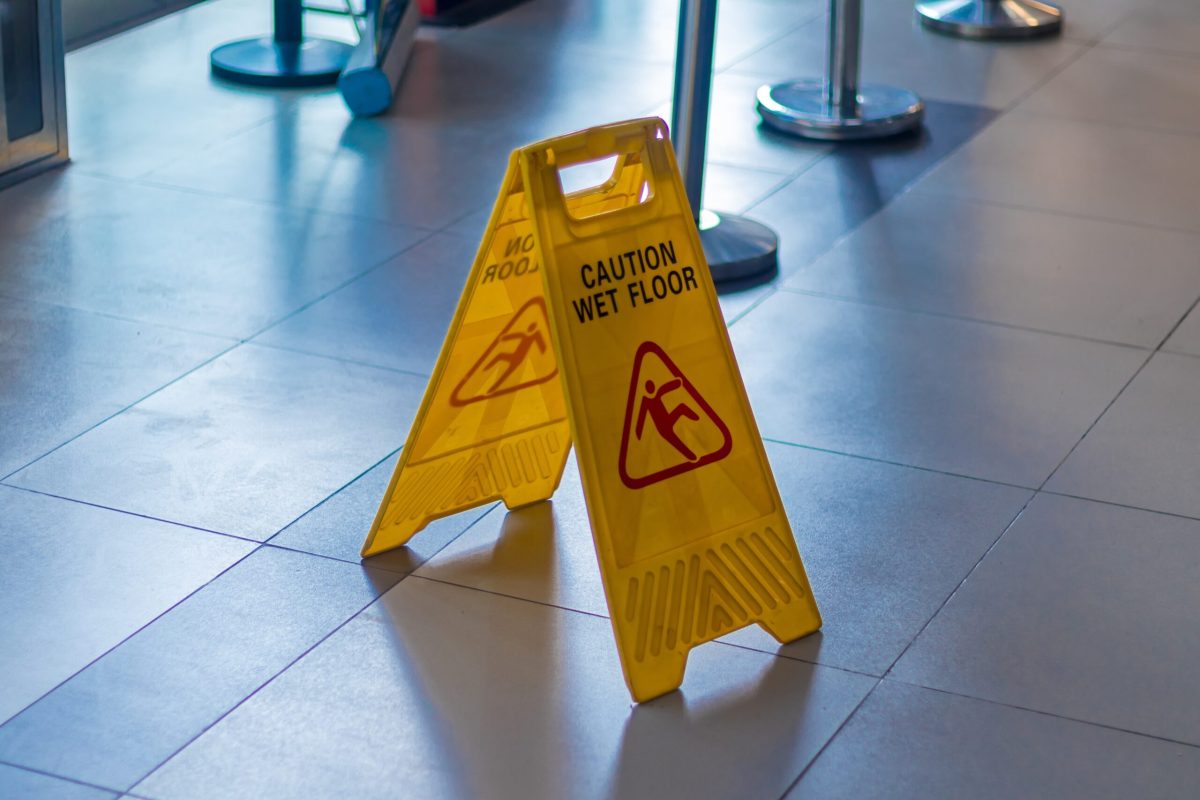
Invited guests get the most protection. If a business asked you to come in, or a homeowner invited you over, they owe you the highest standard of care. That means regular inspections, fixing problems, and warning about anything risky. A wet floor without a sign in a store? That’s a problem. A broken stair railing at a house party? Same issue. The owner knew or should have known about the danger and did nothing.
Things change when you’re on the property but weren’t specifically invited. Mail carriers and delivery drivers fall into this category. They have a legitimate reason to be there, but the property owner doesn’t need to go looking for problems. They can’t set traps or ignore hazards they already know about, but they’re not required to inspect every corner or post warnings about obvious risks.
Trespassers have almost no protection. If you’re somewhere without permission, the owner generally doesn’t owe you anything. They’re not liable if you trip over something while sneaking through their yard. But kids complicate this. Property owners can still face liability if they have something dangerous that attracts children. An unfenced pool or construction equipment left out might create responsibility even when a child wasn’t invited. Courts recognize that kids don’t always understand risk the way adults do.
What You Need to Prove in a Premises Liability Case
Winning one of these cases means proving four elements. You need to show the owner owed you a duty of care. Then prove they breached it by letting the property become unsafe or failing to warn you. Next, connect that breach directly to your injury. Finally, demonstrate real damages like hospital bills or time off work. Miss any of those four and your case falls apart.
Timing matters more than people realize. California gives injury victims two years to file. After that, the courthouse door closes no matter how strong the case was. There are exceptions, but they’re rare and hard to prove. Waiting too long is one of the most common mistakes people make after getting hurt on someone’s property.

How Property Owners Defend Against Injury Claims
Property owners and their insurance companies have playbooks for fighting these claims. They’ll say the danger was obvious. They’ll argue you caused your own injury by not paying attention. They’ll claim they didn’t know about the hazard and couldn’t have found it through reasonable inspection. California uses comparative fault rules, so even if you win, your compensation drops by whatever percentage you’re found responsible. Trip because you were texting and looking down? That might cost you part of your recovery.
The law doesn’t require perfection from property owners. They’re not guarantors of absolute safety. A crack in a sidewalk might not create liability if it’s minor and clearly visible. Uneven natural terrain on a hiking trail probably won’t either. But a broken step hidden by shadows, or a loose floorboard covered by a rug? Those are different. Reasonable care means addressing hazards that aren’t obvious and that could seriously hurt someone.
Commercial properties face higher standards than private homes. Businesses make money by inviting people in, so courts expect them to maintain safer conditions. A restaurant has to do more than a residential homeowner. But even at someone’s house, invited guests have rights. The difference is degree, not kind.
Protecting Your Rights After a Property Injury
Evidence decides these cases. Take photos of what caused your injury while you’re still at the scene. Get names and numbers from anyone who saw what happened. Go to a doctor immediately even if you don’t think you’re badly hurt. Insurance adjusters love to argue that delayed medical treatment means the injury wasn’t serious or didn’t come from the accident. Don’t give them that opening.
Insurance companies will try every angle to pay less or nothing at all. They’ll rush you toward a settlement before you understand how bad your injuries really are. Some problems don’t show up for weeks. Once you accept their check and sign their release, that’s it. You can’t come back later when you realize the injury was worse than you thought. An attorney can tell you whether their offer is reasonable or insulting.
These cases exist for a reason. When property owners cut corners on maintenance or ignore hazards, someone ends up hurt. The law makes sure that person isn’t stuck with the entire financial burden. Medical bills pile up fast. Lost wages create immediate problems. Pain and suffering aren’t just legal concepts, they’re real experiences that deserve compensation. Property owners who want the benefits of owning land need to accept the responsibilities that come with it.
Injured on someone’s property? Our experienced personal injury attorneys can evaluate your case and fight for the compensation you deserve. Contact Pyramid Legal for a free consultation
Frequently Asked Questions
Invited guests (invitees and licensees) receive legal protection because the property owner invited them or allowed them on the premises. Property owners must inspect for hazards, make repairs, and provide warnings. Trespassers enter without permission and receive minimal legal protection—owners generally aren't liable for their injuries unless the trespasser is a child attracted by a dangerous condition like a pool or construction site.
California law gives you two years from the date of your injury to file a premises liability lawsuit. This statute of limitations is strict—missing the deadline typically means losing your right to compensation permanently. Rare exceptions exist for cases involving minors or delayed discovery of injuries, but you should never rely on exceptions. Contact an attorney as soon as possible after your injury.
California follows comparative negligence rules, which means you can still recover compensation even if you were partially responsible for your injury. However, your compensation will be reduced by your percentage of fault. For example, if you're found 30% responsible for the accident, you can recover 70% of your total damages. You can only be barred from recovery if you're found 100% at fault.
Strong premises liability cases require photographic evidence of the hazard, witness contact information, medical records linking your injuries to the accident, and documentation of the property owner's knowledge of the dangerous condition. Take photos immediately after the incident, seek medical attention right away (even for seemingly minor injuries), and preserve any clothing or objects involved in the accident. An attorney can help gather additional evidence like maintenance records or prior incident reports.