
TL;DR: What happens if my Uber driver gets in an accident? As a passenger, you are covered by at least $1,000,000 in rideshare liability insurance if your driver caused the crash, and by the other driver’s insurance if they did. Stay safe, report the crash in the app, save your trip details, and see a doctor the same day.
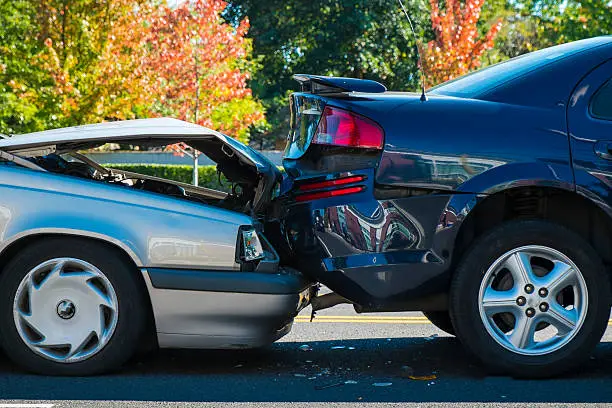
The impact comes from nowhere. One second you are answering a text in the back seat. The next, your phone is on the floor, your seatbelt has locked across your chest, and your driver is turning around to ask if you are okay.
You are a passenger. You did nothing wrong. So what happens now?
As a rideshare passenger in California, you are in one of the strongest positions an injured person can be in. Here is what to do, and what to expect, from the scene to the claim.
The First Hour After the Crash
Safety and 911
Uber’s own guidance after a crash starts with the basics: check that everyone is safe and notify police and paramedics if needed. If anyone is hurt, call 911. Get out of the vehicle only if it is safe to do so, especially on a freeway.
Evidence and screenshots
Evidence from a rideshare crash disappears quickly. Before you leave the scene, if you are able:
- Screenshot the trip in the app: driver name, vehicle, plate, route, and time.
- Photograph both vehicles, the plates, the road, and any visible injuries.
- Get the other driver’s name, license, and insurance information.
- Get names and phone numbers of any witnesses.
- Note the location, including the nearest cross street.
- Do not argue about fault or agree with anyone about what happened.
Even if you feel fine, get checked by a doctor the same day. Neck, back, and head injuries often show up hours or days later, and a gap in treatment is one of the first things insurers use to question a claim.
Reporting the Crash: Police, the App, and the DMV
Police
If anyone is injured, police should be called to the scene. A police report records the drivers, witnesses, and the officer’s observations, and insurers will ask for it.
In the Uber app
According to Uber’s crash guidance, riders can reach Uber’s Safety Incident Reporting Line from the Ride Details screen in the Activity section of the app, or contact support through the Help section. Reporting in the app starts Uber’s process. It does not replace a police report or protect your legal deadlines.
The DMV
California requires an SR-1 report to the DMV within 10 days when anyone is injured, however slightly, or killed, or when property damage exceeds $1,000. That is normally the driver’s responsibility. The California DMV explains that if the driver is physically unable to report, an occupant of the vehicle must make the report on the driver’s behalf.
What Uber’s Claims Team Does Next
After a crash is reported, Uber says its claims support team guides people through the reporting and claims process with the insurance company that covers rideshare trips in that state, with updates sent by email and to the app inbox. In California, that insurance is required by Public Utilities Code 5433.
Keep in mind who that process serves. The rideshare insurer evaluates your claim the same way any insurer does, looking for reasons to pay less. Be factual, keep your own copies of everything, and think carefully before giving a recorded statement.
Whose Insurance Covers You as a Passenger
As a paying rider, you were in the car during the period when the strongest rideshare coverage applies, from the time the driver accepted the ride until it ended.
- If your Uber driver caused the crash, the rideshare company’s $1,000,000 liability coverage responds to your injury claim.
- If another driver caused the crash, that driver’s insurance pays first.
- If that other driver was uninsured or did not have enough insurance, the rideshare uninsured motorist coverage can help. Since January 1, 2026, California requires $60,000 per person and $300,000 per incident, down from $1,000,000. Your own auto policy’s uninsured motorist coverage may also apply.
- If both drivers share the blame, both may contribute under California’s comparative fault rules. A passenger is rarely found at fault at all.
Our guide to who is liable in an Uber or Lyft accident walks through each scenario in detail.
If You Were Riding in a Lyft
The same California rules apply to Lyft and every other rideshare company. Public Utilities Code 5433 requires the same coverage for every transportation network company, so a Lyft passenger has at least $1,000,000 in third-party liability coverage from the moment the ride is accepted until it ends.
The steps are the same, too: report the crash through the ride in your Lyft ride history, save the receipt and screenshots, get medical care even if you feel fine, stick to the facts with every insurer, and talk to a lawyer before you talk to an adjuster.
Final Thoughts
Riders often feel strangely guilty after a rideshare crash, as if asking for help is somehow unfair to a driver who was just doing their job. That feeling comes from a good place. But the insurance exists precisely so that drivers and riders are not left to absorb these losses on their own. Taking care of your health is not taking anything from anyone.
Pyramid Legal: Protecting Rideshare Passengers in Los Angeles
If you were hurt as a passenger in an Uber or Lyft in Los Angeles or anywhere in Southern California, our attorneys can secure the trip data, deal with every insurer involved, and make sure your claim reflects the full extent of your injuries. You get 24/7 direct access to an attorney and pay no fees unless we win. Visit our office at 500 S Grand Ave, Suite 1610, Los Angeles, CA 90071, call 818-946-0763, or learn more about our Los Angeles Uber and Lyft accident lawyers.
Get a Free Case Evaluation Today
Want to know what a passenger claim is worth? Read our guide to Uber accident settlement amounts in California.
This article is general information about what happens when an Uber or Lyft driver crashes with a passenger in California. It is not legal advice about your specific matter and does not create an attorney-client relationship.
Frequently Asked Questions
Will Uber pay my medical bills right away after a crash?
Usually not right away. A rideshare injury claim is normally paid as a settlement after your treatment and losses are documented, not bill by bill. In the meantime, your health insurance or the medical payments coverage on your own auto policy may help with bills, and some providers will treat you on a lien.
Can I get compensation if I was not wearing a seatbelt in the back seat?
You can still bring a claim. Under California’s comparative fault rules, the insurer may argue that not wearing a seatbelt made your injuries worse, and if it proves that, your compensation can be reduced. It does not bar your claim against the driver who caused the crash.
What if my Uber driver says the crash was not their fault?
Drivers often disagree about fault, and as a passenger you do not have to decide who was right. You can bring a claim against whichever driver, or both, the evidence shows was responsible. Your trip screenshots, photos, and witness information help sort it out.
How long do I have to file a claim after an Uber accident in California?
Generally two years from the crash to file a personal injury lawsuit under Code of Civil Procedure 335.1. If a city vehicle or a public road defect was involved, a government claim is due within six months. Reporting the crash in the app does not stop either deadline.