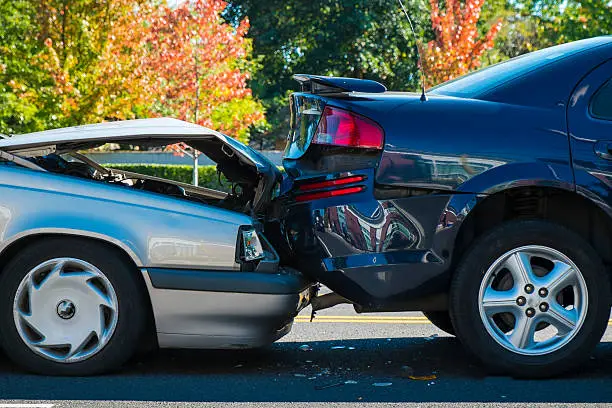

You crossed the street the way you’ve crossed it a hundred times. Then a bumper. Then concrete. Then a paramedic asking your name. The driver says they didn’t see you. The police take a report. The ER stitches you up and sends you home with a prescription and a follow-up appointment you cannot afford.
By the next morning the calls start. The driver’s insurance. A claims adjuster who sounds friendly. They want a “quick statement.” They mention a small check to “help with expenses.” It feels like help. It almost never is.
What Compensation Covers After a Pedestrian Accident in California
A pedestrian struck by a car in California is not limited to a hospital bill reimbursement. Compensation reaches into every corner of what the crash takes from you, both right now and years from now.
Type of Damages | What It Covers |
Medical expenses | ER, surgeries, follow-up care, physical therapy, prescriptions, assistive devices, mental health treatment |
Future medical care | Ongoing therapy, future surgeries, in-home care, rehabilitation, long-term monitoring |
Lost wages and earning capacity | Income lost during recovery and reduced ability to earn in the future |
Pain and suffering | Physical pain, emotional distress, loss of enjoyment of life, anxiety, PTSD |
Property damage | Phone, laptop, glasses, clothing, or anything damaged in the crash |
Wrongful death damages | When the pedestrian does not survive, recoverable by surviving family |
The size of each category depends on the severity of the injuries, how much treatment is needed, and how clearly the impact on your life is documented.
Why pedestrian cases tend to involve serious injuries
Pedestrians have no airbags, no crumple zones, no seatbelts. Even a low-speed impact can cause broken bones, head injuries, and internal damage. Higher speeds and SUV grilles often produce catastrophic results. That severity is one reason pedestrian claims regularly include both economic and non-economic damages, sometimes for the rest of the victim’s life.
Who Pays When a Car Hits a Pedestrian in California
The question “who pays” is rarely as simple as “the driver.” A real pedestrian claim usually pulls from more than one source, and finding every available pocket is part of building a strong case.
The driver’s auto liability insurance
California requires drivers to carry liability insurance. After a pedestrian crash, this is the first place a claim usually lands. The challenge is the state’s minimum coverage limits, which are often far too low for a serious pedestrian injury.
Your own auto insurance, even though you were on foot
This part surprises a lot of people. If you own a car and carry uninsured or underinsured motorist coverage, that policy can apply when you are hit as a pedestrian. Medical payments coverage on your own auto policy may also help with bills regardless of fault. Many pedestrians never tap these benefits because nobody told them to look.
A household member’s policy
If you live with a relative who has auto insurance, their uninsured or underinsured motorist coverage may extend to you. This becomes critical when the driver who hit you has no insurance or far too little to cover your injuries.
Commercial or government coverage
If the driver was working when the crash happened, such as a delivery driver, rideshare driver, or city employee, their employer’s insurance may be on the hook. Government claims have shorter deadlines and special procedures, which makes acting quickly essential.
California Rules That Shape Every Pedestrian Compensation Claim
California is a pedestrian-friendly state on paper. The way the rules actually play out in your claim is where it gets complicated.
Pure comparative fault, and what it means for pedestrians
California uses a pure comparative fault system. Even if you were partly to blame, by crossing outside a crosswalk or against a light, you can still recover compensation, reduced by your share of fault. A 25 percent fault finding means a 25 percent reduction, not the end of your case. Drivers’ insurance companies push hard to shift blame onto pedestrians for exactly this reason. Learn how California’s comparative fault rule works before you accept any version of fault from an adjuster.
Right of way is not the whole story
A driver who fails to yield in a marked or unmarked crosswalk is usually at fault. But California also requires pedestrians to use due care, which means insurers will look closely at whether you stepped suddenly into traffic, were distracted, or were outside a crosswalk. None of these facts ends a claim. They just become arguments to push the percentage of fault assigned to you.
The two-year deadline, and the much shorter one for government claims
California’s statute of limitations for personal injury is generally two years from the date of the crash. If a government vehicle or a dangerous road condition contributed to the crash, you may need to file a formal claim within six months. Miss that window and your claim is gone. Treat the calendar as a hard rule.
Pain and suffering damages can be substantial
Pedestrian injuries are often the kind that follow you for years, which makes how pain and suffering damages are calculated in California a major part of any serious case. There is no cap on these damages in standard pedestrian claims, which gives severe cases room to be valued fairly.
What Quietly Shrinks a Pedestrian Compensation Claim
These are the mistakes that show up again and again, and every one of them gives the insurance company an opening:
- Telling the driver or the police “I’m okay” before you actually know
- Skipping the ER and showing up to a doctor a week later
- Giving a recorded statement to the driver’s insurer without representation
- Posting on social media while your claim is open
- Settling for the first offer because the medical bills feel urgent
- Waiting too long to act and watching the statute of limitations close
Each of these can quietly cut tens of thousands off the value of a serious pedestrian claim.
Final Thoughts
Being hit by a car as a pedestrian changes more than your body. It changes how you sleep, how you cross a street, how you trust the world around you. Compensation is meant to put back what can be put back and account for what cannot. Doing that takes more than a quick call to the driver’s insurance. It takes a clear record of what happened, an honest account of how it has affected you, and someone who knows where the value in a pedestrian case actually lives.
Pyramid Legal, APC represents pedestrians injured by cars across Southern California, including Los Angeles, Pasadena, Corona, and the surrounding communities. Our team handles every layer of a pedestrian claim, from driver liability to your own uninsured motorist coverage, so no source of recovery is left on the table. We work on a contingency basis, which means no fees unless we win, and your first consultation is free.
Frequently Asked Questions
Can I still recover compensation if I was crossing outside a crosswalk?
Yes. California’s pure comparative fault rule means you can still recover damages even if you share some blame for the crash. Your compensation is reduced by your percentage of fault, not eliminated. Insurance companies often overstate the pedestrian’s share, which is one reason cases like these benefit from legal review.
What if the driver who hit me had no insurance?
You may still have options. Your own auto policy’s uninsured motorist coverage can apply when you are hit as a pedestrian. A household member’s policy may also extend to you. If you have no auto coverage at all, an attorney can investigate other sources, including the driver’s personal assets in serious cases.
Do I have to deal with the driver's insurance company directly?
No. You are not required to give a recorded statement or accept early offers from the at-fault driver’s insurer. Anything you say can be used to reduce your claim. Most pedestrian victims are better served by routing communication through an attorney before signing or saying anything.
How long do I have to file a pedestrian accident claim in California?
The general statute of limitations is two years from the date of the crash. Claims against a government entity, such as cases involving city vehicles or dangerous road design, may require a formal claim within six months. The shorter deadlines apply more often than people realize, which is why acting quickly matters.
What if a loved one died after being hit by a car?
California allows certain surviving family members to file a wrongful death claim. Recoverable damages can include funeral and burial costs, loss of financial support, and loss of companionship. These cases have their own legal requirements and deadlines, separate from a personal injury claim.