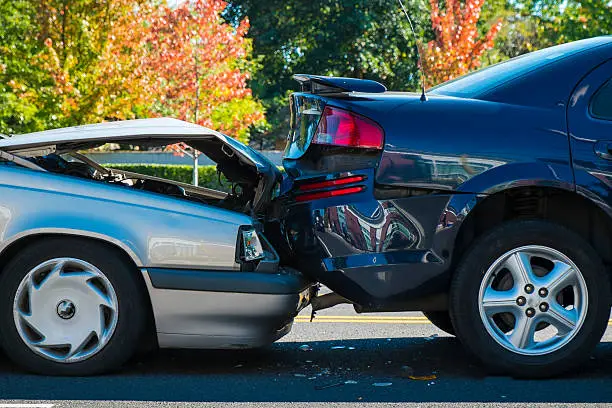

You wake up the morning after a rear-end crash and you can barely sit up. You figured the soreness would fade, but a week later it’s worse. Your doctor orders an MRI. You learn the words “herniated disc” or “facet joint injury” for the first time. And suddenly you’re not just dealing with a wrecked car. You’re staring at physical therapy, missed work, and an insurance adjuster who keeps calling.
This is the moment most people start searching for what their case is worth. And it’s the moment most people get bad information.
Why Back Injuries Drive Some of the Largest Car Accident Claims in California
Back injuries are unique. They’re rarely visible on the outside, but they can change the way you work, sleep, lift your kids, or sit through a meeting for years. That gap between “looks fine” and “feels broken” is exactly where insurance companies dig in.
A back injury from a car crash can range from a strained muscle that heals in weeks to a spinal cord injury that changes everything. Whiplash often comes with cervical and lumbar pain. A herniated disc can press on a nerve and shoot pain down your leg. Compression fractures can show up months after the crash, especially in older adults. None of these injuries fits neatly into a formula.
The types of back injuries that show up after a crash
Most back injuries from California car accidents fall into a few categories:
- Soft tissue injuries (sprains, strains, whiplash)
- Herniated or bulging discs
- Vertebral fractures and compression fractures
- Facet joint injuries
- Spinal cord injuries, including partial or complete paralysis
Every category carries different treatment needs, different recovery timelines, and different valuation considerations. That is the first reason “averages” mislead people. A soft tissue strain and a spinal fusion are not the same case, and they should never be valued the same way.
The Real Factors That Determine What Your Back Injury Case Is Worth
Every back injury claim in California is built on the same pillars. Get these right, and your case carries the weight it deserves.
Damages | What It Covers |
Economic damages | Medical bills, future medical care, lost wages, lost earning capacity, prescription costs, transportation to treatment |
Non-economic damages | Pain and suffering, loss of enjoyment of life, emotional distress, disfigurement |
Punitive damages | Reserved for cases involving extreme conduct, like a drunk driver |
Severity of the injury and treatment required
A case backed by surgery, injections, or long-term physical therapy is treated very differently than one that resolves with rest. Insurers track every procedure code, every visit, and every prescription. The more your medical care reflects a serious, documented injury, the harder it becomes for them to dismiss your claim.
Documented medical evidence
This part matters more than people realize. An MRI showing disc damage, ER records from the day of the crash, and a consistent treatment timeline all build a case that’s hard to argue with. Gaps in treatment, missed appointments, or “I’ll tough it out” stretches give adjusters openings to question whether you were really hurt.
Lost income and impact on your ability to work
A back injury that keeps you off the job for two weeks is one claim. A back injury that prevents you from doing the physical work you’ve done for twenty years is a completely different claim. California recognizes both current wage loss and reduced earning capacity, and serious cases often require a vocational expert to quantify the long-term hit.
Pain, suffering, and loss of enjoyment
This is where most of the value lives in moderate to severe back injury cases. The law accounts for the fact that you can’t pick up your toddler the way you used to, that you wake up at 3 a.m. with shooting pain, that you’ve given up the sports or hobbies that kept you sane. Calculating this is not about a formula, though there’s more to how pain and suffering damages are calculated in California than most people realize. It’s about telling the story credibly.
California-Specific Rules That Affect Back Injury Settlements
This is where California differs from almost every other state, and where most online “average settlement” articles miss the mark.
Pure comparative fault keeps your case alive
California uses a pure comparative fault system. Even if you were partly at fault for the crash, you can still recover damages, reduced by your percentage of fault. A 30 percent fault finding does not end your case. It just adjusts the math. This is California’s comparative fault rule in action, and it changes how settlement negotiations play out.
No damage caps on most back injury claims
Unlike many states, California has no damage caps for most personal injury claims, including pain and suffering tied to a back injury from a car crash. The cap only applies in medical malpractice cases. That ceiling does not exist for ordinary car accident claims, which gives serious back injuries more room to be valued fairly.
The two-year deadline you cannot miss
California’s statute of limitations for personal injury is generally two years from the date of the crash. Miss it, and your claim is gone. Period. Some exceptions exist, like claims against government entities, which can have notice deadlines as short as six months. Treat the two-year clock as the hard limit and act well before it.
How prior back problems factor in
This trips a lot of people up. If you had a prior back condition before the crash, you can still recover damages for how the crash worsened it. California follows the “eggshell plaintiff” doctrine, which means a defendant takes you as they find you. They cannot reduce your settlement just because your back was already vulnerable. They are responsible for the new injury and the aggravation.
What Hurts a Back Injury Claim
The fastest way to shrink your settlement is to give the insurance company evidence they can use against you. The most common mistakes:
- Skipping the ER or downplaying pain at the scene. “I’m fine” in the police report is gold for an adjuster.
- Posting on social media. A photo of you smiling at a barbecue can be used to argue you’re not really hurt.
- Giving a recorded statement to the other driver’s insurer. They are not on your side.
- Stopping treatment too early. Gaps in care look like recovery, even when you’re still hurting.
- Trying to negotiate alone with an experienced claims adjuster.
- Letting the statute of limitations slip past while you wait to “see how you feel.”
Each of these can quietly cut thousands off a settlement, sometimes more.
Final Thoughts
A back injury is rarely just a back injury. It reaches into how you sleep, how you work, how you show up for the people who count on you. The settlement process is supposed to account for all of that, but it only does when the case is built carefully and pushed hard. Numbers on a website cannot tell you what your case is worth. Your medical records, your honest account of the impact, and the rules that apply in California are what tell that story.
Pyramid Legal, APC fights for accident victims across Southern California, including clients in Los Angeles, Pasadena, Corona, and the surrounding communities. Our attorneys combine legal experience with deep familiarity with the medical side of back injury cases, so the value of your claim gets argued from every angle. There are no fees unless we win, and your first consultation is free.
Frequently Asked Questions
How long do I have to file a back injury claim in California?
You generally have two years from the date of the car accident to file a personal injury lawsuit in California. Claims against government entities can have much shorter notice deadlines, sometimes as little as six months. The sooner you start, the more evidence is preserved.
What if I had back problems before the car accident?
You can still recover damages. California follows the eggshell plaintiff doctrine, which means the at-fault driver is responsible for the new injury and for worsening any prior condition. Pre-existing back issues do not eliminate your claim.
Does it matter that I did not go to the ER right away?
It can matter, but it does not end your case. The longer the gap between the crash and your first medical visit, the more room the insurance company has to argue the injury came from something else. See a doctor as soon as you can and tell the full story of your pain.
Will I have to go to court for a back injury case?
Most California car accident cases settle before trial. Trials happen when the insurance company refuses to pay a fair amount, and serious back injury cases are more likely to push toward litigation. Settlement is the goal, but readiness for court is what gets fair offers.
How long does a back injury settlement take in California?
Some cases settle in a few months. Others take a year or more, especially when surgery is involved or fault is disputed. A common rule is to wait until you reach maximum medical improvement before settling, so the full extent of your injury is on the record.