Key Takeways: There is no reliable average Uber accident settlement in California. The value depends on the driver’s app status, which sets coverage from the driver’s own policy up to $1,000,000, plus fault, your documented losses, a 2026 cut to uninsured motorist coverage, and new medical bill caps for crashes from January 1, 2027.
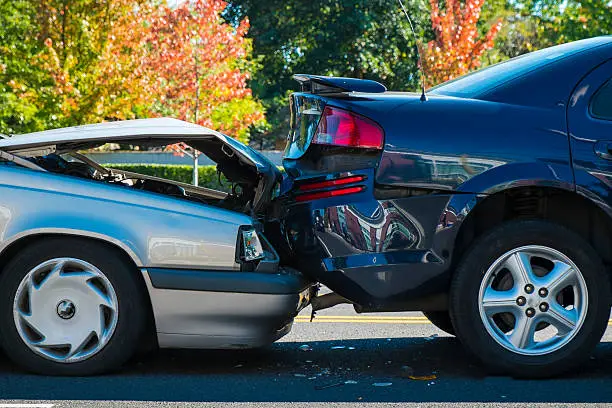
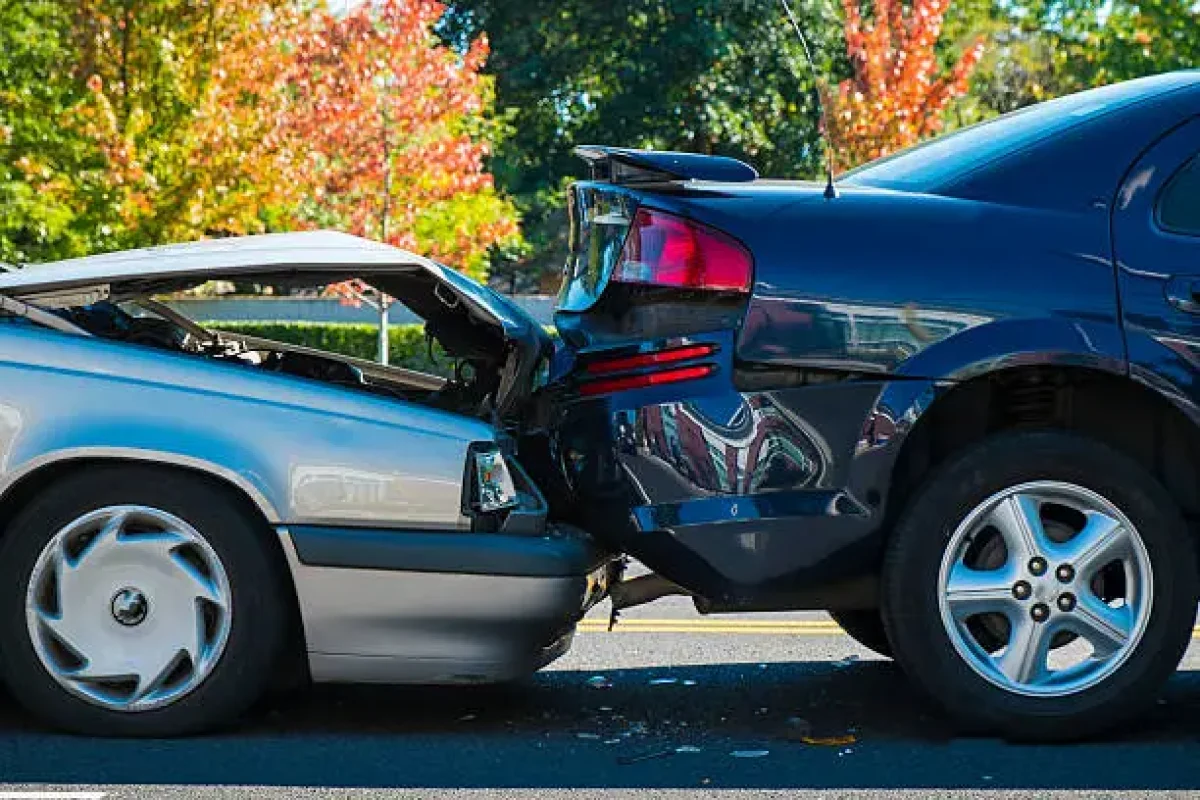
You were in the back seat, scrolling your phone, when the car in front stopped short and your Uber did not. Now you have a sore back, a missed week of work, and a search history full of “average Uber accident settlement” pages that all give different numbers. Some say $30,000.
Some say $1 million. None of them know anything about your case.
Here is what moves the number up, what pulls it down, and why the internet averages mislead people.
Why Average Uber Accident Settlement Numbers Mislead
Most of the averages floating around online come from general car accident data, not rideshare cases, and many are not tied to California at all. A fender bender with two chiropractic visits and a crash that leaves someone needing spinal surgery both count as “Uber accidents.” Averaging them together tells you nothing.
Uber does not publish settlement data. Neither does any California agency. So any blog that hands you a precise average is guessing. A better question is: what limits and what proof apply to your specific crash?
The Driver’s App Status Sets the Insurance Ceiling
In California, the insurance available after an Uber crash depends on what the driver was doing in the app. App status is one of the biggest factors in how much money is even on the table.
| Driver’s app status | Liability coverage available |
|---|---|
| App off (personal driving) | The driver’s own personal auto policy only |
| App on, waiting for a ride request | $50,000 per person, $100,000 per accident for injuries, $30,000 property damage, plus $200,000 in excess coverage |
| Ride accepted, driving to pick up | $1,000,000 in liability coverage |
| Passenger in the car | $1,000,000 in liability coverage |
If you were a passenger, you were almost always in that last row. If you were hit by a driver who had the app open but no ride yet, the lower limits apply, and serious injuries can blow past them fast.
Uber’s own insurance page says the $1,000,000 policy covers injuries to riders and third parties “where you’re at fault,” meaning the Uber driver. If another driver caused the crash, the claim usually starts with that driver’s insurance.
The 2026 Change to Uninsured Driver Coverage
This one flew under the radar. Senate Bill 371, signed in October 2025, cut the uninsured and underinsured motorist coverage that Uber and Lyft must carry in California. Starting January 1, 2026, the requirement dropped from $1,000,000 to $60,000 per person and $300,000 per incident.
Why it matters: if an uninsured or underinsured driver slams into your Uber, the rideshare policy that used to back you up at $1 million now tops out far lower. For anyone with serious injuries, that gap can change the entire settlement. Here is what that looks like in numbers.
Say an uninsured driver runs a red light and hits your Uber while you are in the back seat, and your medical bills, lost wages, and other losses come to $150,000. For a 2026 crash, the rideshare uninsured motorist coverage tops out at $60,000 per person.
Uncovered gap: $150,000 − $60,000 = $90,000
Before 2026, the same crash had up to $1,000,000 in uninsured motorist coverage behind it. Your own auto policy’s uninsured motorist coverage may help fill the gap, so pull out your declarations page.
Who Was at Fault
California uses pure comparative fault, adopted in Li v. Yellow Cab Co. (1975). Your compensation is reduced by your share of the blame, but you can still recover even if you were partly at fault.
For a passenger, fault rarely falls on you. The fight is usually between the Uber driver, the other driver, and their insurers. Each side will try to push the blame onto someone else, because whoever carries the fault carries the bill.
Can You Sue Uber Directly?
Usually not for the driver’s mistakes. California voters passed Proposition 22 in 2020, which keeps app-based drivers classified as independent contractors, and the California Supreme Court upheld it in Castellanos v. State of California in July 2024.
That makes it hard to hold Uber itself responsible for a driver’s negligence the way you would hold an employer responsible. Uber’s insurance still responds when the driver is on the app, which is where most of the money comes from.
There is another wrinkle. Uber’s U.S. Terms of Use require binding arbitration for claims against Uber involving accidents that cause personal injury or death, with limited exceptions. That affects claims against Uber itself, so read our breakdown of who is liable in an Uber or Lyft accident before you assume where your case will be heard.
Your Injuries and Medical Bills
The core of any settlement is your actual losses. Expect the insurance company to look hard at:
- Medical treatment, from the ER visit to surgery, therapy, and future care
- Lost income and any lost ability to earn in the future
- Pain, emotional distress, and how the injuries changed your daily life
- Property damage, such as a broken phone or laptop
How medical bills are counted matters more than most people realize. Under Howell v. Hamilton Meats (2011), California limits past medical damages to what was actually paid or owed, not the full amount billed. A $40,000 hospital bill that insurance settled for $12,000 is generally worth $12,000 in your claim.
New Rules for Uber Crashes Starting in 2027
Senate Bill 623, signed in June 2026, adds new limits for rideshare cases. It applies to crashes on or after January 1, 2027, and covers treatment received on a lien, where the provider waits to be paid from your settlement. For that treatment, medical damages are capped at the 70th percentile of FAIR Health billed charges for the area. The law also requires disclosure when a medical lien is sold.
If your crash happened in 2026, these rules should not apply to you. If it happens in 2027, how you get treatment and how it is paid for will directly affect your settlement. This is a good reason to talk to a lawyer before you sign up for lien-based care.
Timing and Evidence
California gives you two years from the date of injury to file a personal injury lawsuit under Code of Civil Procedure 335.1. Waiting rarely helps you. Trip receipts, in-app records, dashcam footage, and witness memories get harder to recover with time.
Screenshot your trip details the same day. Save the ride receipt, the driver’s name, and the plate. Photograph your injuries as they change. For more on how rideshare coverage works step by step, see rideshare insurance coverage: what you need to know.
Final Thoughts
Getting hurt in someone else’s car is a strange kind of helpless. You did everything right. You paid for a ride and trusted the person behind the wheel.
It makes sense to want a number that tells you it will be okay. Be patient with yourself while the real answer comes together. Your recovery, your records, and your timeline matter far more than any average posted online.
Talk to Pyramid Legal About Your Uber Accident in Los Angeles
If you were hurt in an Uber or Lyft crash in Los Angeles or anywhere in Southern California, our attorneys can identify which policy applies, deal with the insurers, and fight for the full value of your claim. You get 24/7 direct access to an attorney and pay no fees unless we win. Visit our office at 500 S Grand Ave, Suite 1610, Los Angeles, CA 90071, call 818-946-0763, or see how our Los Angeles Uber and Lyft accident lawyers handle these cases.
Get a Free Case Evaluation Today
Hurt in a crash that did not involve a rideshare? Our guide to what your car accident case is worth in California covers the same damages.
This article is general information about California rideshare accident claims. It is not legal advice about your specific matter and does not create an attorney-client relationship.
Frequently Asked Questions
How long does an Uber accident settlement take in California?
An Uber accident settlement can take a few months for a clear-fault crash with minor injuries, and a year or longer when injuries are serious or fault is disputed. A claim usually should not settle until you finish treatment or your doctor knows your long-term outlook, because future care has to be counted.
Do I pay taxes on an Uber accident settlement?
Under federal tax law, compensation for physical injuries or physical sickness is generally not taxable income. Portions for punitive damages or interest can be taxable, and emotional distress without a physical injury may be treated differently. Ask a tax professional about your specific settlement before you spend it.
What if I was an Uber driver and got hurt?
Uber drivers in California are generally treated as independent contractors under Proposition 22, so workers’ compensation does not usually apply. If another driver caused the crash, you can file an injury claim against that driver’s insurance. California drivers also get occupational accident insurance through Uber, according to Uber’s insurance page.
Do the same settlement rules apply if I was hurt in a Lyft?
Yes. California’s rideshare insurance rules apply to transportation network companies as a group, which includes both Uber and Lyft. The same app-status periods set the coverage, and the 2026 cut to uninsured motorist coverage under Senate Bill 371 applies to Lyft too. Each company’s insurer handles its own claims process.
Should I accept the first settlement offer from Uber's insurer?
Usually not before you know the full extent of your injuries. Early offers tend to come before future treatment, lost earning ability, and lien amounts are known. Once you sign a release, the claim is closed for good, even if your condition gets worse.