Liability in Uber and Lyft accidents is more complex than a standard car crash because multiple parties, overlapping insurance policies, and corporate liability structures all come into play at once. Whether you’re a passenger, a driver, or someone who was hit by a rideshare vehicle, understanding how liability works in these cases is the first step toward protecting your rights.
How the Rideshare Model Creates Liability in Uber and Lyft Accidents
Unlike traditional taxis, rideshare services operate through a network of independent drivers using their own personal vehicles. This creates a situation where three distinct parties are involved in every trip: the driver, the rideshare company, and the passenger. Each has different roles, different insurance coverage, and different legal responsibilities.
When an accident happens, liability may be shared or contested between all of them. Rideshare companies like Uber and Lyft act as intermediaries. They facilitate the connection between driver and passenger but frequently argue that their responsibility ends there. California law has specific regulations that apply to rideshare services, and understanding those nuances is key to knowing what you’re actually entitled to.
Who Can Be Held Liable in Uber and Lyft Accidents
Depending on the circumstances, liability may fall on one or more of the following:
- The rideshare driver
- The rideshare company (Uber or Lyft)
- Another driver involved in the collision
- Third-party insurers
Determining who is responsible and which insurance policy applies requires a careful look at what the driver was doing at the exact moment of the crash.
How Insurance Coverage Changes Based on Driver Status
This is the part that trips most people up. Rideshare insurance is not a single blanket policy. It shifts based on the driver’s app status at the time of the accident.
Phase 1: App Off
When the driver’s app is completely off, they are on personal time. Only their personal auto insurance applies. Uber and Lyft provide no coverage at all. The problem is that most personal auto policies exclude rideshare activity, which can leave injured parties with very limited options.
Phase 2: App On, Waiting for a Ride Request
If the app is active but no ride has been accepted yet, the rideshare company provides limited liability coverage. This coverage only applies if the driver’s personal insurance denies the claim first.
Phase 3: En Route or During an Active Ride
Once a driver accepts a ride and is heading to pick up the passenger, or is actively transporting them, Uber and Lyft provide up to $1 million in third-party liability coverage, plus uninsured and underinsured motorist protection. This is the most coverage available under the rideshare policy and applies until the ride is completed.
The phase the driver was in at the moment of impact can mean the difference between full compensation and a denied claim. This is why documenting app status immediately after an accident is so important.
For reference, you can review California’s rideshare insurance requirements via the CPUC.
The Independent Contractor Problem
Rideshare drivers are classified as independent contractors, not employees. This legal distinction limits the platform’s direct liability in many situations. Uber and Lyft have historically used this classification to distance themselves from driver conduct and reduce their exposure to claims.
However, California legislation has increasingly challenged this structure. Recent legal developments have pushed for greater accountability from rideshare companies when their drivers cause harm. If you’re pursuing a claim, understanding where the company’s responsibility begins and ends under current California law is essential.
Insurance Denials and Delays Are Common
Even when fault is clear and injuries are documented, insurance companies often make the process difficult. Common tactics include:
- Denying claims by disputing which party or phase was responsible
- Delaying payments while investigating the driver’s status at the time of the crash
- Offering initial settlements that are far below what the injured party is actually owed
These tactics are deliberate strategies to close claims quickly and cheaply. Having legal representation changes the dynamic significantly because it signals that you know what your claim is worth and that you are prepared to fight for it.
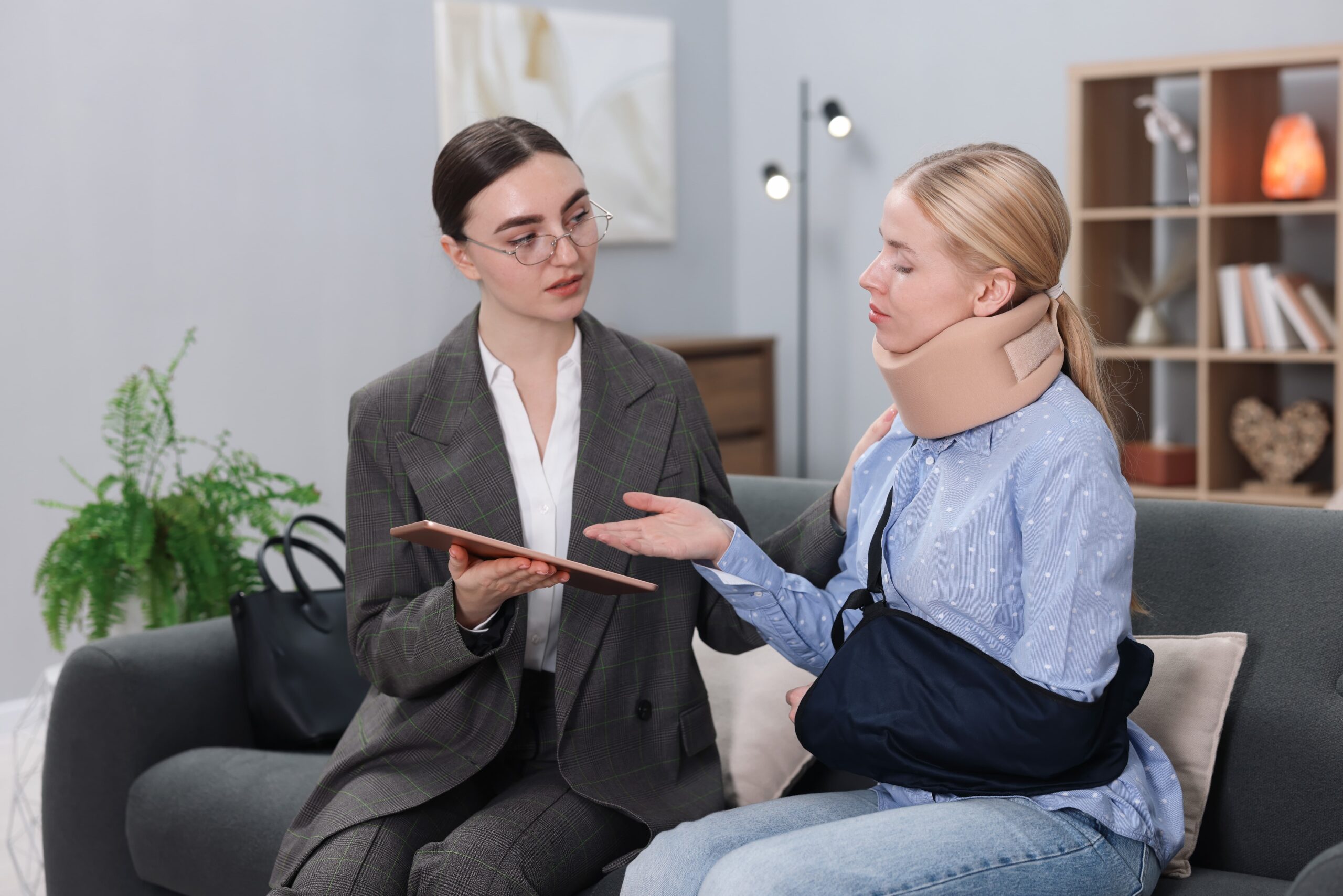
What Passengers Need to Know
Passengers in rideshare vehicles are often the most confused about their rights after an accident. Most people don’t realize that:
- You can file a claim directly against the rideshare company’s insurance policy
- You may also have a claim against a third-party driver if they caused the crash
- You should never accept a settlement offer from any insurer without getting legal advice first
- Statements you make to insurance adjusters immediately after the crash can be used to reduce your payout
As a passenger during an active ride, you are covered under the full $1 million policy. That coverage exists to protect you. But the insurance company’s job is to pay out as little as possible, not to make sure you receive what you’re owed.
How to Protect Yourself After a Rideshare Accident
The steps you take immediately after the crash directly affect your ability to recover compensation. If you are involved in a rideshare accident:
- Call 911 and get medical attention even if you feel okay
- Screenshot the ride in progress on the app before closing it — this documents the driver’s status
- Photograph the scene, vehicle damage, license plates, and any visible injuries
- Collect contact information from the driver and any witnesses
- File a police report
- Do not give a recorded statement to any insurance company before consulting an attorney
Why Legal Representation Makes the Difference
Rideshare accident cases involve multiple layers of insurance, corporate legal teams, and technical questions about driver status and app activity. These are not cases where going it alone works in your favor.
An experienced personal injury attorney will investigate the accident, gather evidence including GPS and app data, identify all liable parties, and negotiate directly with insurers to ensure you are not taken advantage of. In some cases, legal action against the rideshare company itself may be necessary, particularly if negligent hiring or inadequate supervision contributed to the crash.
Final Thoughts
Liability in Uber and Lyft accidents comes down to a single variable that most injured people never think about: what was the driver’s app showing at the moment of impact. Most people don’t find this out until they’re already in a dispute with an insurance company. Knowing how the system works before that happens puts you in a much stronger position.
Pyramid Legal — Rideshare Accident Attorneys
If you were injured in an Uber or Lyft accident in Los Angeles, Pasadena, or anywhere in Southern California, Pyramid Legal is here to help. We investigate the facts, fight the insurers, and pursue the maximum compensation you deserve. No fees unless we win.
Get a Free Case Evaluation Today
818-946-0763