
Knowing what to do after a car accident can make or break your injury claim. One moment everything is fine, the next you’re on the side of the road trying to figure out what just happened. That disorientation is completely normal. But the decisions you make in the minutes, hours, and days after a crash can either protect your case or quietly destroy it.
These are the mistakes we see most often at Pyramid Legal and what you should do instead.
Mistake #1: Admitting Fault After a Car Accident
This is the one that costs people the most. After a collision, it’s instinctive to apologize. You feel rattled, you want to de-escalate, and saying sorry feels like the human thing to do. But in a legal context, an apology can be treated as an admission of liability.
Don’t speculate about what happened. Don’t say you didn’t see them, or that you should have stopped sooner. Stick to the facts when talking to police and say nothing beyond that to the other driver. Let the investigation determine fault. That’s what it’s for.
Even if you think you contributed to the crash, California’s comparative fault rules mean your percentage of fault affects your compensation. That determination should be made with full information, not a rushed apology at the scene.
Mistake #2: Not Calling the Police
Minor accidents feel like they don’t need a police report. Both drivers are fine, the damage looks manageable, and calling 911 feels like an overreaction. It isn’t.
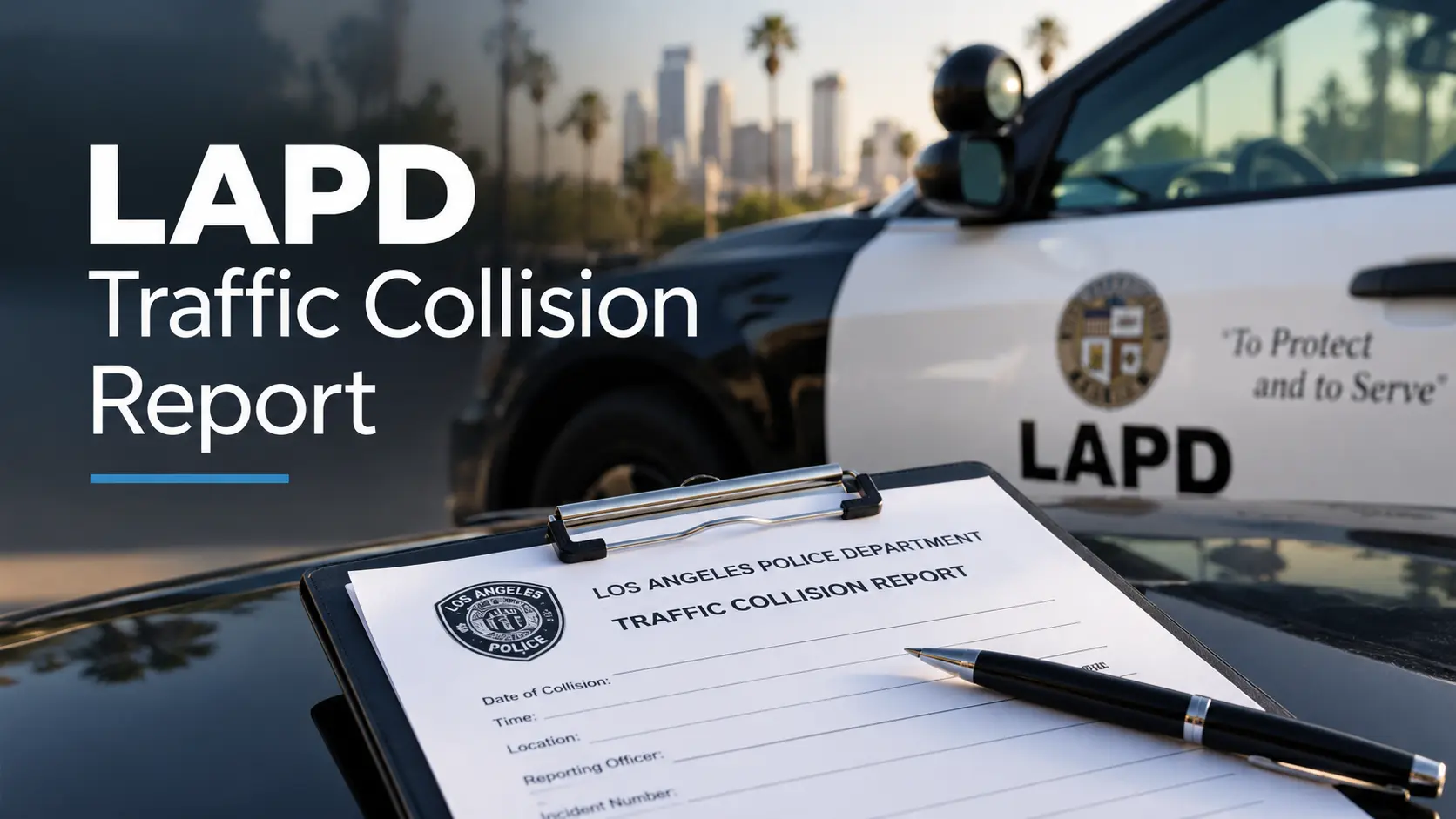
A police report is an official, neutral record of what happened. Without it, the other driver can change their story, deny the accident happened the way it did, or later claim injuries they conveniently forgot to mention at the scene. Insurance companies rely on police reports. So do courts.
Call 911. Get the report number. If the other driver refuses to cooperate or leaves the scene, that goes in the report too.
Mistake #3: Skipping Medical Attention After a Car Accident
One of the most damaging things you can do after a car accident is skip the doctor. You feel okay. You walked away. That’s a good sign but it’s not a reason to avoid getting checked out.
Whiplash, soft tissue injuries, internal trauma, and concussions often don’t produce obvious symptoms for hours or even days after impact. By the time you feel it, the connection to the accident becomes harder to prove. Insurance adjusters love a gap between the crash date and your first medical visit. They will use it to argue your injuries came from somewhere else.
Get checked out the same day if possible. Keep every record, every bill, every prescription, and every follow-up appointment. That paper trail is your case.
Mistake #4: Not Gathering Evidence at the Scene
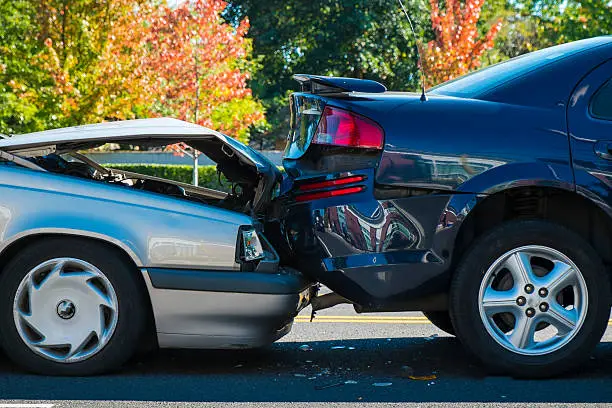
If you’re physically able, use the time right after the crash to document everything. This is your one window. Once tow trucks move the vehicles and traffic clears, that evidence is gone.
Use your phone to photograph:
- Both vehicles from multiple angles
- Damage up close
- The position of the vehicles before they are moved
- Skid marks, debris, and road conditions
- Any visible injuries
- License plates
- Street signs, traffic signals, and the surrounding area
Get the other driver’s full name, license number, insurance company, and policy number. If there are witnesses, ask for their contact information and a brief account of what they saw. Don’t assume the police report will capture everything. It often doesn’t.
Mistake #5: Talking to the Insurance Adjuster Without Legal Advice
After a car accident, the other driver’s insurance company is going to call you. They’ll be polite, sympathetic even. They’ll ask you to give a recorded statement about what happened and how you’re feeling.
Do not do this without speaking to an attorney first.
Insurance adjusters are trained to ask questions in ways that minimize liability. A statement you give thinking you’re being helpful can be used to reduce your payout or deny your claim entirely. Saying “I’m doing okay” in casual conversation can become part of the record. Signing anything early can lock you into a settlement before you know the full extent of your injuries.
You are not required to give a recorded statement to the other driver’s insurer. Notify your own insurance company as required by your policy, but beyond that, talk to a lawyer first.
Mistake #6: Not Following Your Doctor’s Orders
You got checked out. Good. Now follow through.
Skipping follow-up appointments, stopping prescribed medication early, or ignoring recommended physical therapy gives the defense exactly what they need. They will argue that if your injuries were serious, you would have taken your treatment seriously. Gaps in your medical care become gaps in your case.
Go to every appointment. Follow every instruction. If cost is a concern, tell your attorney. There are options. But do not let inconsistent treatment become the reason your claim falls apart.
Mistake #7: Accepting the First Settlement Offer
The first offer is almost never the right offer. Insurance companies move fast after an accident because they want to close the claim before you understand what you’re actually owed.
At the time the offer lands, you may still be in treatment. You may not yet know whether your injuries will require surgery, ongoing care, or affect your ability to work long term. Once you sign a settlement, that’s it. There is no going back for more.
The full picture of your damages includes current medical bills, future treatment costs, lost wages, reduced earning capacity, property damage, and pain and suffering. None of that is easy to calculate in the first few days after a crash. Take the time. Get proper legal advice before you sign anything.
Mistake #8: Waiting Too Long to File After a Car Accident
California’s statute of limitations for personal injury claims is generally two years from the date of the accident. You can verify this under California Code of Civil Procedure Section 335.1. That sounds like plenty of time until it isn’t.
Evidence disappears. Witnesses become harder to find. Medical records need to be properly preserved. The longer you wait, the harder it becomes to build a strong case. And if you miss the deadline entirely, you lose the right to recover compensation regardless of how clear the fault was.
The sooner you speak with an attorney, the more options you have.
Final Thoughts
Understanding what to do after a car accident before it happens is the best advantage you can have. The mistakes people make afterward usually come from not knowing, not from bad judgment. Now you know.
If you’ve been in a crash and you’re not sure what your next step should be, that’s exactly what we’re here for.
Pyramid Legal — Personal Injury Attorneys
At Pyramid Legal, we’ve helped accident victims across Los Angeles, Pasadena, and Southern California avoid these exact mistakes and recover what they deserve. If you were hurt in a car accident, don’t wait.
Get a Free Case Evaluation Today
818-946-0763