According to the Centers for Disease Control and Prevention, falls are one of the leading causes of injury in the United States. Most causes of slip and fall accidents are not random. They follow predictable patterns tied to hazards that property owners had an obligation to fix or at minimum warn people about. When they don’t, and someone gets hurt, it stops being an accident and becomes a liability issue.
Here are the most common causes of slip and fall accidents in California, why they keep happening, and what they mean for your rights as an injured victim.
Wet and Slippery Floors
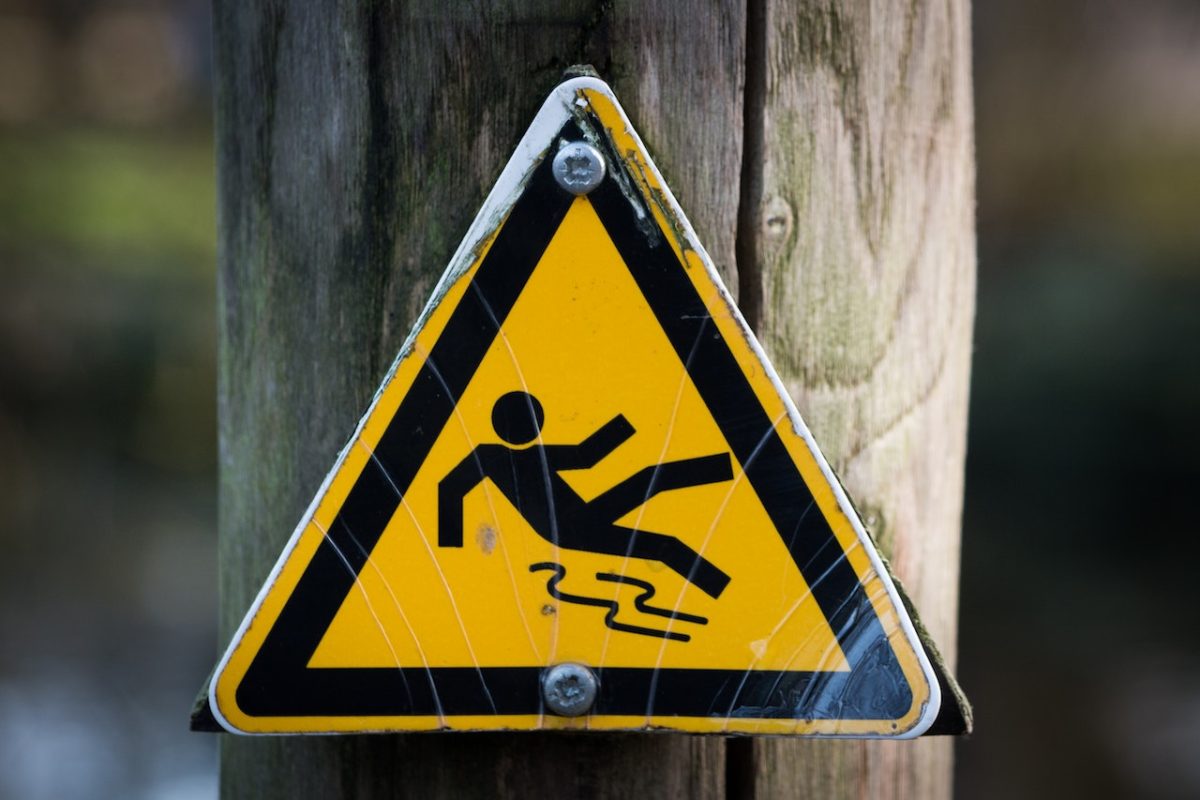
Wet floors are the most recognized cause of slip and fall accidents, and for good reason. A freshly mopped floor without a warning sign, a spilled drink in a grocery store aisle, tracked-in rain near an entrance, or grease buildup in a restaurant kitchen can all turn a normal surface into a serious hazard. The danger is compounded by the fact that water on tile or hardwood can be nearly invisible until someone is already falling.
Under California law, property owners have a duty to maintain safe premises. That means routine inspections, proper signage when a wet condition exists, and prompt cleanup. Failing to do so creates liability for any injuries that result.
Uneven Surfaces and Unexpected Height Changes
Uneven surfaces are a major factor in slip and fall accidents. Loose tiles, missing sections of flooring, sunken concrete, raised carpet edges, and unmarked steps can all cause a person to lose their footing without warning. Even a small change in surface height can be enough to throw someone off balance, particularly when there is no visual indicator marking the transition.
Property owners are responsible for ensuring walkways, aisles, and flooring are even and safe to walk on. When uneven surfaces are known but not addressed, that failure becomes a breach of their duty of care.
Poor Lighting in Stairwells and Walkways
Poor lighting is a common and often overlooked cause of slip and fall accidents. Back rooms, stairwells, basements, and parking structures are particularly vulnerable. When lighting is inadequate, hazards blend into the background. People misjudge distances, miss steps, or fail to see obstructions entirely. These are accidents that simple maintenance and functioning bulbs could have prevented.
California premises liability law requires that all areas accessible to the public be adequately lit. Property owners who allow lighting to deteriorate without addressing it can be held liable for resulting injuries.
Loose or Damaged Flooring
Damaged flooring is sometimes visible and sometimes not. A buckled floorboard can look stable until someone steps on it. Loose carpeting can lay flat until it catches a foot mid-stride. When a property owner is aware of damaged flooring and fails to repair it or post adequate warning signage, they are in breach of their duty of care to anyone on the premises.
Cluttered or Blocked Walkways
Cluttered walkways are common in retail environments, particularly on delivery days or in back storage areas. Boxes, loose cords, cleaning supplies, and misplaced merchandise all create tripping hazards. When someone is navigating a cluttered space, there is little room to correct their balance when they encounter an obstacle. Property and store owners have a responsibility to keep walkways clear and to alert employees and patrons when temporary hazards exist.
Broken or Missing Handrails
People rely on handrails more than they realize, particularly on stairs, ramps, and elevated platforms. A handrail that is loose, damaged, or missing entirely is a hidden hazard. Someone who reaches for support and finds none, or grabs a rail that gives way, can suffer a serious fall with little warning. Building codes in California require handrails in specific locations for exactly this reason. When those requirements are ignored or maintenance is deferred, property owners bear responsibility for what happens as a result.
Dangerous Outdoor Conditions
Outdoor areas are just as much the property owner’s responsibility as the interior. Potholes, cracked or uneven sidewalks, standing water, algae-covered surfaces, and deteriorating parking lots all present real slip and fall risks. These areas often receive less attention from property owners, but visitors pass through them every day. A fall in a parking lot or on an entrance walkway can be just as serious as one inside a store.
Failure to Warn About Known Hazards
Sometimes a hazard cannot be fixed immediately. That does not eliminate the property owner’s obligation. Posting a visible warning sign, placing a barrier, or alerting staff to monitor the area are all reasonable steps that can prevent injury while a permanent fix is arranged. When a property owner knows about a dangerous condition and does nothing to warn anyone, that failure is often the clearest evidence of negligence in a slip and fall case.
When a Slip and Fall Becomes a Legal Claim
The legal question in any slip and fall case is whether the property owner acted reasonably. If a hazard was known — or should have been discovered through reasonable inspection — and nothing was done to fix it or warn about it, the injured person may have a valid claim for compensation.
Many people blame themselves after a fall. Most slip and fall accidents are not the victim’s fault. They happen because a property was not maintained the way it should have been under California law. Understanding what caused your fall is the first step toward understanding your options.
Final Thoughts
The causes of slip and fall accidents are well documented and in most cases entirely preventable. Property owners in California have a legal duty to maintain safe premises for anyone who enters. When they fall short of that duty and someone gets hurt, the law provides a path to accountability and fair compensation.
Pyramid Legal — Slip and Fall Attorneys
If you were injured in a slip and fall accident in Los Angeles, Pasadena, or anywhere in Southern California, Pyramid Legal is ready to fight for your rights. We offer free case evaluations and no fees unless we win.
Get a Free Case Evaluation Today
Learn more about our Slip and Fall representation
818-946-0763