
TL;DR: A diminished value claim in California lets you recover the resale value your car lost because of an accident, even after the repairs are perfect. The other driver’s insurance owes this money, but they will not offer it. To recover, you need proof of the loss, the right type of claim, and a clear-eyed look at the deadlines and rules California uses.
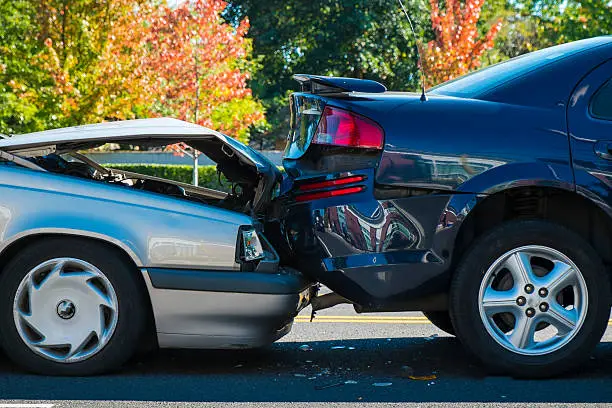
Your car gets rear-ended. The body shop spends three weeks making it look new. The frame is fine, the paint matches, the panels line up. You pick it up, breathe a sigh of relief, and a month later you decide to sell it. The dealer runs the VIN, sees the accident on the Carfax, and offers you four thousand dollars less than they would have a month ago.
That gap is diminished value. The insurance company will not mention it. They are betting you never figure it out.
What Diminished Value Actually Is
Diminished value is the loss in market resale value your vehicle suffers after being involved in an accident, even when the repairs are flawless. Buyers and dealers see a wrecked-and-repaired vehicle as a higher risk and will pay less for it. The car looks identical. The market does not treat it that way.
This loss is real, measurable, and recoverable in California. It is also one of the most ignored line items in a car accident claim.
The three types of diminished value
There are three forms of diminished value, and only one is usually worth pursuing in a claim.
- Inherent diminished value: The drop in market value that exists simply because the vehicle has an accident on its record, after proper repairs. This is the form most California claims pursue.
- Repair-related diminished value: Additional loss caused by poor or incomplete repairs, mismatched paint, or aftermarket parts substituted for original equipment.
- Immediate diminished value: The gap between pre-accident value and post-accident value before any repairs are made. Rarely claimed separately because the at-fault insurer pays to fix the car.
Most California diminished value claims focus on inherent loss because it survives the repair process and is the hardest for insurance companies to dismiss.
Who Pays a Diminished Value Claim in California
California recognizes diminished value as a legitimate component of property damage, but there is a critical distinction in how you can recover it.
Third-party claims work. First-party claims usually do not.
A third-party claim is a claim against the at-fault driver’s insurance. California courts have long recognized that the at-fault driver is responsible for both the cost of repairs and any remaining loss in market value. That is your lane for recovery.
A first-party claim is a claim against your own collision coverage. California does not require your own insurer to pay you for diminished value under standard collision policies. This catches a lot of drivers off guard. If you were at fault or you are filing through your own coverage, diminished value usually is not on the table.
What this means in practice
- You were hit by another driver. Their insurance pays for repairs, and you can pursue a diminished value claim against them.
- You caused the accident. Your own insurer pays repairs under collision coverage, but you generally cannot recover diminished value from them.
- The at-fault driver has no insurance. The recovery path becomes harder. Uninsured motorist property damage coverage may help with repairs, but diminished value typically is not covered there either.
This is one reason the insurance company on the other side fights diminished value claims so hard. They know most drivers will not push for it, and they know your own policy will not bail you out.
How to Prove a Diminished Value Claim in California
The insurance company is not going to take your word for the loss. A successful diminished value claim is built on documentation, and the stronger the documentation, the harder it is to dismiss.
Step one, document the accident clearly
Police report, photos, repair invoices, and the original estimate all matter. The severity of the damage and the quality of the repairs both feed into how much value the car has lost. Save everything.
Step two, get an independent diminished value appraisal
The single strongest piece of evidence is a written appraisal from a qualified independent appraiser. They compare your vehicle’s pre-accident market value against its current market value with an accident on the record. This number is what you build the claim around. Insurance company adjusters routinely lowball or skip this calculation entirely.
Step three, calculate using a real methodology
Insurers sometimes use the 17c formula, an old shortcut that often understates the actual loss. It applies a base 10 percent of pre-accident value as the cap, then reduces it for damage severity and mileage. Independent appraisers use comparable market sales and adjustments, which usually produces a more accurate, higher figure. Knowing the difference matters when the adjuster’s first offer arrives.
Step four, send a written demand
A formal demand letter sets out the loss, the supporting documentation, and the figure you expect. Insurers respond differently to a documented demand than to a phone call. This is also the point where many claims get pushed back hard, and where having a clear plan for dealing with insurance adjusters often shifts the outcome.
California Rules That Affect Every Diminished Value Claim
The legal framework matters because it shapes both the size of the claim and the timing.
The three-year deadline on property damage claims
California’s statute of limitations for property damage, including diminished value, is generally three years from the date of the accident. This is longer than the two-year window for personal injury claims, but waiting until year three is still risky. Memories fade, evidence disappears, and insurance companies use delay against you.
Comparative fault still applies
If you were partially at fault, your diminished value recovery is reduced by your percentage of fault under California’s comparative fault rule. A 20 percent fault finding means a 20 percent reduction, not a denial.
Diminished value is separate from a personal injury claim
These two claims can run in parallel. Your medical bills, lost wages, and pain and suffering belong to one claim under personal injury rules. The lost resale value of your vehicle is a property damage component. Settling one does not have to settle the other, but the way your final agreement is written matters enormously. A poorly worded release can quietly waive your diminished value rights.
What Quietly Kills a Diminished Value Claim
Most diminished value claims die from the same handful of mistakes:
- Signing a property damage release without reading it carefully. Many include language that waives any further claim, including diminished value.
- Trusting the at-fault insurer’s “courtesy” diminished value calculation, which usually uses the 17c shortcut.
- Skipping the independent appraisal because it costs money up front. The appraisal almost always pays for itself in the recovery.
- Waiting too long. Even within the three-year window, market conditions and evidence quality can shift.
- Treating the claim as something separate from the repair process. It is part of the same accident, and the same at-fault driver owes it.
Each of these costs real money. For mid-value and luxury vehicles, the difference can easily be five figures.
Final Thoughts
A repaired car is not the same car in the market’s eyes, and the law in California recognizes that. The trouble is that the system does not volunteer the money. It pays the people who know to ask, who document the loss, and who refuse to sign away the claim. The accident already cost you time, stress, and the value sitting in a dealership offer letter. Recovering that value is not extra. It is what you were owed all along.
Pyramid Legal
Pyramid Legal, APC represents California drivers across Los Angeles, Pasadena, Corona, and the surrounding communities of Southern California. Our team handles diminished value claims alongside personal injury and property damage cases, so the full value of your loss gets pursued, not just the repair invoice. We work on a contingency basis, which means no fees unless we win, and your first consultation is free.
Frequently Asked Questions
How long do I have to file a diminished value claim in California?
You generally have three years from the date of the accident to file a property damage claim, including diminished value, in California. This is longer than the two-year personal injury deadline. Acting earlier is still better because evidence and market data are easier to gather close to the accident date.
Can I file a diminished value claim if I caused the accident?
Usually no. California does not require your own insurer to pay diminished value under standard collision coverage. Diminished value recovery typically only works as a third-party claim against the at-fault driver’s insurance, not as a first-party claim through your own policy.
How much can I recover for a diminished value claim?
The amount depends on the pre-accident market value of your vehicle, the severity of the damage, and how much resale value was lost. Newer vehicles, luxury models, and vehicles with structural damage tend to see larger diminished value losses. An independent appraisal is the most reliable way to establish the number.
Does the type of repair affect my diminished value claim?
Yes. Repairs using aftermarket parts, mismatched paint, or incomplete frame work increase your loss and can support a higher claim. The quality of the repair shop and the parts used become part of the evidence, especially if you can show the at-fault insurer pushed for shortcuts.
What is the 17c formula and should I accept it?
The 17c formula is a calculation method insurance companies often use that starts with 10 percent of the pre-accident value and applies reductions for damage severity and mileage. It frequently understates actual losses. A written appraisal from an independent expert usually produces a more accurate figure and a stronger negotiating position.